
Birding Adventure Ethiopia
Southern Ethiopia
Overview
There is maybe no region of the world harboring so many varieties of birds that several of them are unique or endemic as Ethiopia’s highlands and lowlands. Ethiopia has emerged as one of the foremost birding destinations in Africa boasting more than 850 known species, of which over 20 are endemic to Ethiopia. Habitats supporting bird life are the Rift Valley lakes, the highland massif, forests and the lowlands. The Rift Valley is scattered with lakes that offer an enormous diversity of bird life. More than half of all Ethiopia’s species have been recorded at both Awash National Park and Abijata – Shalla Lakes National Park.
Included/Exclude
- Accommodation
- Transportation (Domestic flight & all Ground transport)
- Meals ( Breakfast,Lunch & Dinner)
- Entrance fees
- Tour Guides
- International Flight
- Alcohol drink
- Tips and others that are not described in the list of price inclusive.
Tour Itinerary
in the Morning after breakfast drive to Awash National Park, a birding adventure in the Afar Plains, where a rich diversity of birds will make their appearance.
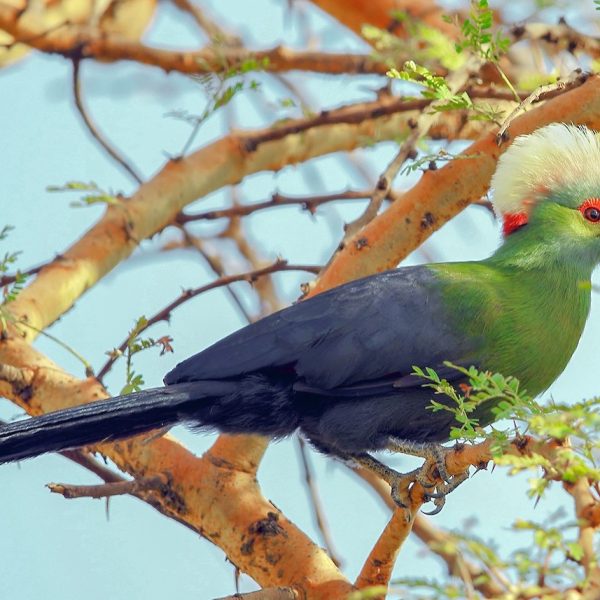
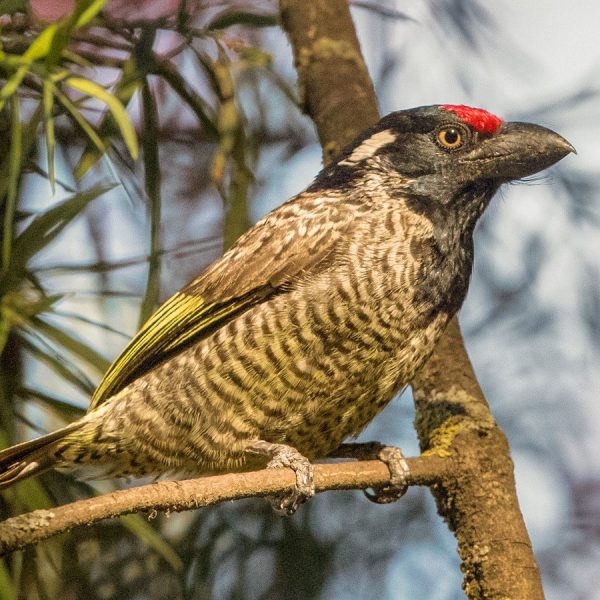
see Abdim’s Stork, Yellow-necked Francolin, Kori Bustard, Black-headed Lapwing (arguably the most spectacular plover species), Chestnut-bellied Sandgrouse, Red-bellied Parrot, Bare-faced Go-away-bird, White-bellied Go-away-bird, Blue-naped Mousebird, Olive Bee-eater, Abyssinian Roller, Black-billed Wood Hoopoe, Abyssinian and Black Scimitar Bills, various Hornbill species including Abyssinian Ground and Von-der-Decken’s, Black-throated and Yellow-breasted Barbets, Greater Honeyguide, Black-crowned Sparrow-Lark, Grey Wren-Warbler, Grey-headed Batis, Slate-colored Boubou, Rosy-patched Bushshrike, Chestnut Weaver, and White-crested Helmetshrike, among many others. In the afternoon, arrive at Doho Lodge in the park.
Lunch stop in Awash N.P. at Doho Lodge.
Overnight stay in Awash at Doho Lodge.
Awash is one of Ethiopia’s premier national parks, which has a rich diversity of birds as well as mammals such as Golden Jackal, Caracal but rare chance, hyena cave for spotted hyena, Beisa Oryx, and Soemmerring’s Gazelle.
Regarding birding adventure in Awash, in the early morning start the exploration to find
African Swallow-tailed Kite, a host of Bustards including Arabian, Buff-crested, Hartlaub’s, Black-bellied, and White-bellied, Bruce’s Green Pigeon, and tons more. During our time here we also hope to find Somali Ostrich, African Collared Dove, Singing Bush Lark, Gillett’s Lark, Chestnut-backed and Chestnut-headed Sparrow-Larks, Boran and Ashy Cisticolas, Eastern Olivaceous Warbler, Pale and African Grey Flycatchers, Mouse-colored Penduline Tit, four of Africa’s most lovely Sunbirds, namely Eastern Violet-backed, Nile Valley, Beautiful,and Shining, Southern Grey Shrike, Somali Fiscal, Woodchat Shrike, Northern Masked Weaver, Cut-throat Finch, and many others. seasonal migratory birds are also available such as Common Whitethroat and White-throated Robin from September-December.
Raptor birds -watching is spectacular as usual in the park.
Overnight in Awash National Park at (Doho Lodge)
On this day birding and wildlife safari will continue . Early morning birding around the Doho lodge area and drive to the Ali Dege Plains after breakfast. encounter with wildlife like
Gravy Zebra, Gerenuk, and Soemmering’s Gazelle. There is also a rare chance to see Wild ass. Here you will have a game drive and scan the vast plain for Grevy’s Zebra, Gerenuk, Beisa Oryx, Simmering Gazelle, Grant’s Gazelle, Somali Ostrich and for some rare birds. Afterwards drive back to Doha Lodge for lunch and enjoy the natural hot spring and fresh air of the noon under the vast palm trees.
Overnight in Awash National Park at (Doho Lodge)
In the morning after having breakfast at the lodge drive to BALE MOUNTAIN N.P for 460 km. Arrived to Dinsho, which is the gateway to the prominent Bale Mountains, which reach an altitude of around 4 500 meters (more than 14 000 feet). the next two days birding adventure will take place at the famous mountain home to
various species of birds as like Abyssinian Owl, Cape (Mackinder’s) Eagle-Owl (the most massive of three subspecies), African Wood Owl, Wattled Ibis, Chestnut-naped Francolin, Moorland Francolin, Wattled Crane, Red-billed Chough, White-backed Black Tit, Abyssinian Catbird, African Emerald Cuckoo, Abyssinian Crimsonwing, and, with luck, Golden Eagle, as well as a long list of other birds. Various endemic animals also dwell here such as mountain nyala, Menelik’s bushbuck, Bohor reedbuck, and others. The days in this area are also a botanical treat, with vegetation ranging from Hagenia-dominated forest to giant Erica woods to high-altitude moorlands, sometimes with fabulous giant lobelias. In the adjacent Harenna Forest, it might be possible to spot some star birds like Brown Parisoma, Ayers’s Hawk-Eagle, African Emerald Cuckoo, Abyssinian Ground Thrush, Cinnamon Bracken Warbler, Rüppell’s Robin-Chat, White-browed Robin-Chat, Abyssinian Crimsonwing, and Slender-billed Starling, or even a flock of migrating European Bee-eaters are in the bird list live in the Bale Highland mountainous massif and forest.
Overnight in Bale Goba at Wabi shebele hotel.
In the morning after breakfast driving on Africa’s highest road, passing close to the summit of Ethiopia’s second-highest mountain will begin.
On the Sanetti Plateau, an island of tundra in the tropics, the habitat is classified as “Afro-alpine moorland”, characterized by a fascinating range of unique plants, including giant lobelias, which tower like monolithic giants over the rich tussock grasslands, and extensive cushions of yellow everlasting flowers.This obviously attracts a rich array of raptors, and we should see Steppe and Golden Eagles, Augur Buzzard, and the elegant Pallid Harrier circling over this verdant floral sea. They share this abundant food source with the plateau’s most celebrated resident, the Ethiopian wolf, crowned with the unenviable title of “the world’s rarest canid.” Watching these vibrantly colored animals, most closely related to the European Timber Wolf, exhibiting their hunting prowess while bouncing on giant mole-rats (another endemic to the Sanetti Plateau) is surely among Africa’s greatest wildlife experiences. The plateau also holds the only Afrotropical breeding populations of Ruddy Shelduck, Golden Eagle, and Red-billed Chough. Able to find also Black Stork, Wattled Ibis, Rouget’s Rail (particularly common and confiding here), the endemic Blue-winged Goose, Spot-breasted Lapwing, Wattled Crane, Thekla Lark, migratory flocks of Red-throated Pipit, Abyssinian Longclaw, Red-breasted Wheatear,the dumpy Moorland Chat, and flocks of the endemic Black-headed Siskins.
Overnight at Campsite or Mountain Lodge (optional)
Birding and wildlife exploration will still take place on the Bale mountain.
To the south of the Park lies a 1200m (3700 ft) escarpment, below which is one of the largest and most extensive forests remaining in Ethiopia, the Harenna Forest. The slope of the southern escarpment falls rapidly from the tree line at 3200m to around 2000m within a distance of only 8 km, producing a rapid and spectacular change in landscape, habitat, and species composition. The Bale Mountain Lodge is located beside a clear mountain stream, within a natural forest clearing beneath the escarpment, and enjoys breathtaking views of the mountains and the surrounding forest. Here rare Bale Monkeys inhabit the trees and the birdlife is spectacular. Wild coffee is harvested to the south of the lodge and delicious Bale honey is obtained by the local people from hives placed high within the canopy. Here is also found 3% of Africa’s remaining bamboo forest. Harenna
Overnight at Campsite or Mountain Lodge ( Optional)
After having the last meal of the Bale mountain keep driving to Lake Langano where we will spend the night.
birding will be made on this other lakes. Along the road to Langano stopover at lLake Ziway, and wetland sites of the Great Rift Valley will be in the day plan. looking for Black Crowned Crane, Collared Pratincole, African Snipe and several other shorebird species, various Tern species including Gull-billed, Lesser and African Jacanas, Fulvous Whistling-Duck, African Pygmy Goose, Western Marsh Harrier, and many others. Other highlights today might be Greater Spotted Eagle, Egyptian Vulture, White-headed Vulture, Clapperton’s Francolin, Blue-spotted Wood Dove, Lichtenstein’s Sandgrouse, Buff-bellied Warbler, Northern Black Flycatcher, Blackstar, Black-headed and Pygmy Batises, the striking Masked Shrike, Green-winged Pytilia, and Red-fronted Warbler, are among the many others.
Overnight At Hara Langano Lodge.
In the morning before having breakfast at 6 am go to Birding in the grounds of Ghion Hotel and find wide enchanting gardens filled with indigenous flora and a stunning collection of birds including the endemic Wattled Ibis. after doing birdwatch
having your breakfast at Gion Hotel then drive up to the Entoto Mountains, the best location to observe the panoramic view of the capital. It is also a historical place where Menelik II resided and built his palace. It is notable as the location of a number of celebrated churches, including Saint Raguel and Saint Mary. After doing the Entoto trip drive down to Merkato which is the biggest open market in Africa. Next proceeds to visit the Unity Park recently found by PM Abiy Ahmed. Lunch and coffee stop in the late afternoon. Back to the hotel.
Overnight in Addis Ababa
In the early morning before having breakfast drive to Abijata Shala N.P then descend down to the saline lake of the rift valley. Approximately over 280 species of birds can be seen around Lake Abijata and Shalla lakes National park. such as Yellow Wagtails, Ibis, Cormorant, Pelicans, Ducks, Egrets, Herons, Flamingos, Storks, Swallows, Chestnut-bellied Sandgrouse, Abyssinian Ground Hornbill, Rollers, Wheatear, African Marsh Harrier, etc. After lunch, start driving back to Addis Ababa.
Overnight stay in Addis Ababa.
In the morning after breakfast in the hotel
Drive to Debre Libanos for 100km of north of Addis Ababa. cross the famed Sululta road which are a brilliant place to find beautiful Spot-breasted Lapwing, the taxonomically strange Blue-winged Goose, and other endemics. We also hope to find our first gelada baboon (nicknamed bleeding-heart baboon) – these ferocious-looking but vegetarian baboons have huge vocabularies and a complex social system. We’ll eventually reach our well-placed accommodation, from where we will look for Egyptian Vulture, Griffon Vulture, Bearded Vulture, and other raptors as they gracefully sail by, as well as Little Rock Thrush and many other mountain birds.
Drive back to Addis after making the stunning excursion of Debre libanos, Portuguese bridge, Blue Nile Gorge. The Endemic Ethiopian Baboon is guaranteed to be seen at the excursion point.
The tour plan will end after dropping you off at the airport for your international flight back home.