



The Mursi are among the most well-known people in this area. They call themselves Mun. The women wear Suri dishes through the lower lip as decoration. They also regularly decorate their face with paint, and deliberately apply scars for decoration if they have defeated an enemy. At present times more than 10,000 Mursi live between the Omo River and the Mago River.

The Suri are known for the large plates in the lower lip in women, which can be up to 15 centimeters in size. For this, their bottom teeth are usually removed. The clay dish is often decorated with various motifs. They live in small villages in the Omo Valley. These people has often been hunted for the last centuries. The Suri, Mursi and Me’en (or Bodi), are often described as being similar because of their corresponding culture. The languages are also similar. 
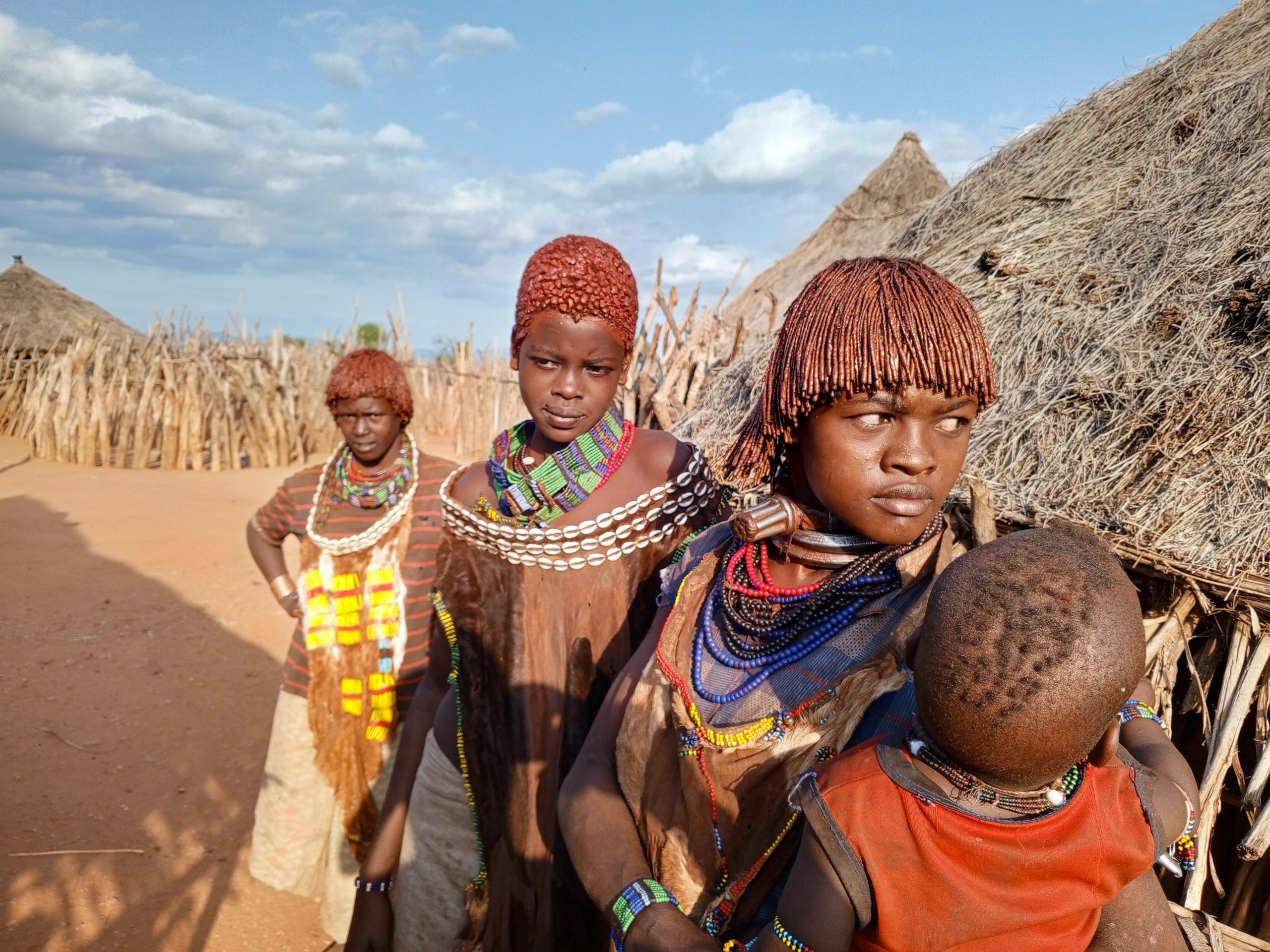
The Hamer are among the best-known people from this part of Africa. They breed cattle and are world famous because of ‘bull jumping’: an ancient ritual in which come of age and show their strength by jumping over cows. The colourful women usually dress in two animal sheets. These are exquisitely decorated with beads and cowry shells. Both men and women regularly decorate their hair with grease and ocre. Girls wear aluminum decorations on the forehead. The Hamer live around the Omo River.
When a Hamer boy reaches adulthood he is required to jump over a herd of cows. This sign of strength and courage will prove that he is ready for life as a man. He will be allowed several attempts, because the first jump does not always succeed. If he eventually fails, he will be flogged by the women with sticks.
The best place to see this age-old ritual is Turmi, but there are other places as well. It is often held just outside the village so it is best to ask your guide about this.

There are not many Karo people left. According to official counts, there are no more than 2,500 tribal members. Both men and women adorn themselves exuberantly with paint on their entire bodies. In addition, the women often pierce a sharp metal object into the chin as decoration,

The Tsamai are a lesser known people from this area. They decorate themselves with colourful beads. There are less than 10,000 Tsamai people. Scientists have learned that the Tsamai are closely linked to the Daasanach and the Arbore people,

Within the Daasanach, especially the unmarried girls stand out. They sometimes wear dozens of metal rings around the ankles and calves. The men decorate their hair with coloured earth and feathers. The Daasanach keep cattle and live along the Omo river, near the most southern part of the Omo Valley, just above theLake Turkana. These semi-nomadic people suffers from drought and floods. When a farmer loses his cattle, he hunts Nile crocodiles. There are about 25,000 Daasanach in the
Omo valley. 
The Bumi are famous for the men’s scarifications. Women wear jewellery through their chins, mostly of copper. The men wear jewellery as well, but made from ivory. The Bumi have about 6,000 to 7,000 members and are known to be quite aggressive to the neighbouring cultures. They live south of the Omo National Park.
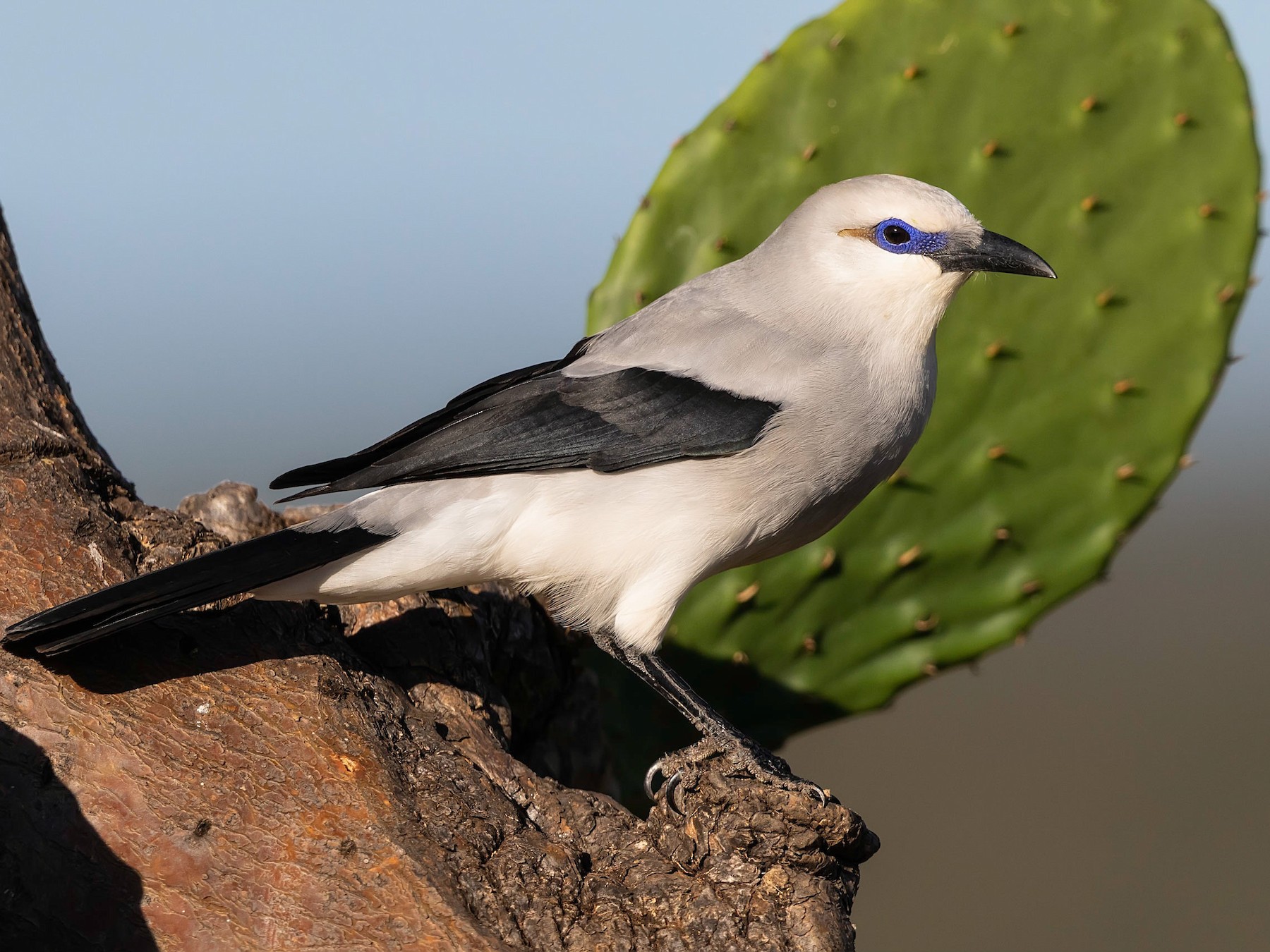
Thanks to the river, this isn’t just home to lots of people. This safari area is also home to many animals, though their number is in decline due to poaching. A safari here is quite different to one in Tanzania or South Africa, and spotting wild animals is still really a matter of luck, and it’s quite an experience. Scientists have counted more than 300 kinds of birds in the Omo Valley, but they say there are many more.

Nyangatom also known as Donyiro and pejoratively as Bumé are Nilotic agro-pastoralists inhabiting the border of southwestern Ethiopia and southeastern South Sudan and in the Ilemi Triangle with populations residing in both countries. They speak the Nyangatom language.
In the course of their early migration from Uganda, the pastoral ancestors of the Nyangatom had been scorned as ”Elephant-eaters” (Nyam-etom), a nickname which they aptly transformed into ”Yellow Guns” (Nyang-atom), that underlined the martial intentions of their emerging community.
The Nyangatom are linguistically and ethnically closely related to the Toposa. A century ago, both tribes were known as ”Hum” or ”Kum”. A name that still survives is ” Bume” – the Ethiopian name of the Nyangatom.


