Bale Mountains National Park
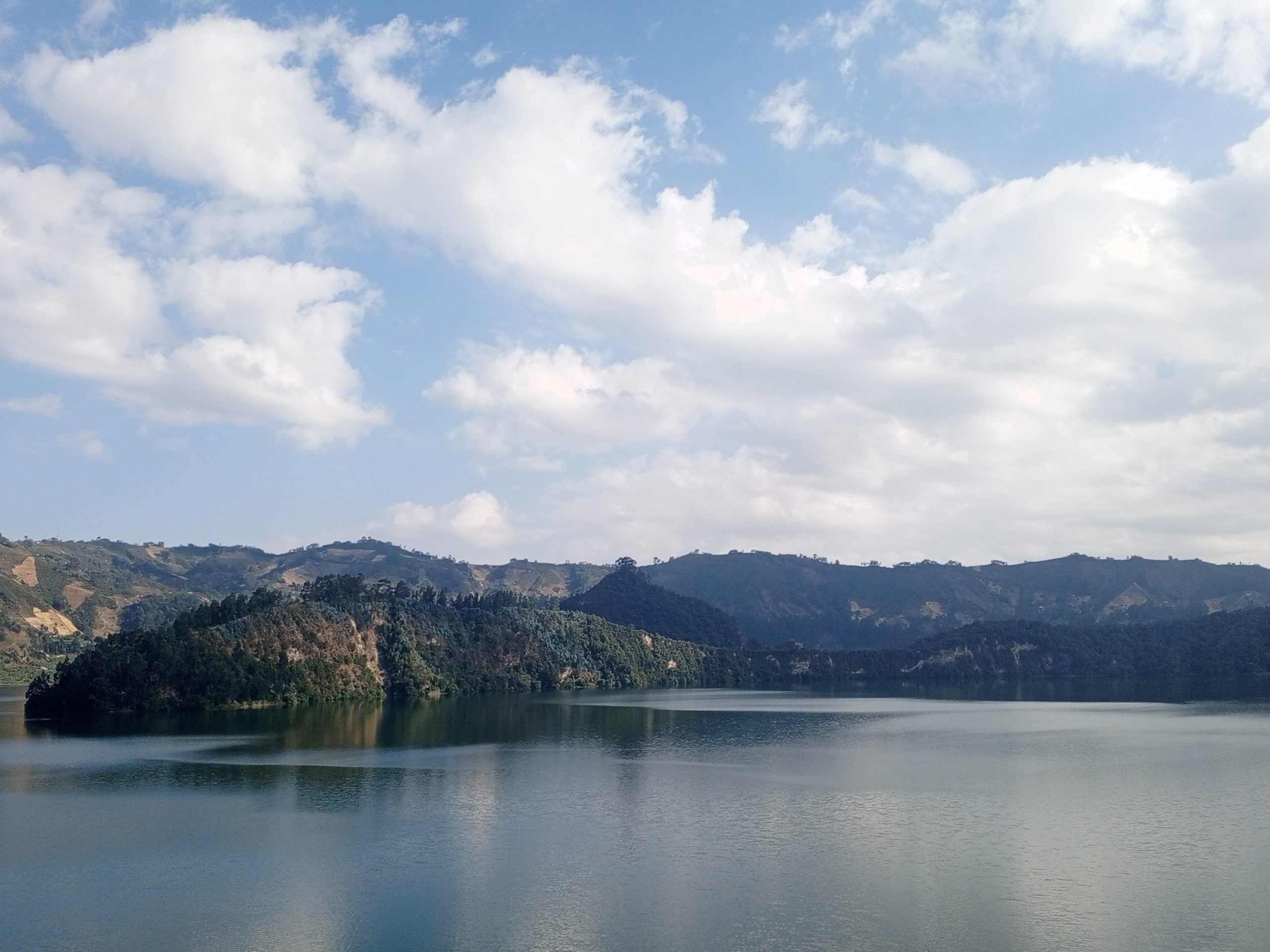
The second highest mountain in Ethiopia & the 3rd in Africa. The extraordinary beauty of this mountain is believed to be created by the combined forces of ancient lava outpourings, glaciation and the dissection by the Great Rift Valley. It features volcanic peaks and ridges, dramatic escarpments, sweeping valleys, glacial lakes, lush forests, deep gorges and numerous waterfalls, creating exceptional natural beauty. The mountain harbours diverse and unique biodiversity at ecosystem, species and genetic levels, and five major rivers originate within the Park, estimated to supply water and support the livelihoods of millions of people in and beyond Ethiopia.
Bale Mountains National Park (BMNP) covers an area of 215,000 hectares in the heart of the Bale-Arsi Massif in the south-eastern Ethiopian Highlands in Oromia National Regional State. Volcanic ridges and peaks tower above the plateau, most prominently Tullu Dimtu, Ethiopia’s second highest peak at 4,377 m a.s.l. Elsewhere in the park, extensive grasslands thrive next to various types of forests including tree heath, bamboo and juniper forests. Significantly, the southern slopes of the Bale Mountains descend dramatically into the famous Harenna Forest, the second largest moist tropical forest in Ethiopia, including patches of cloud forest.
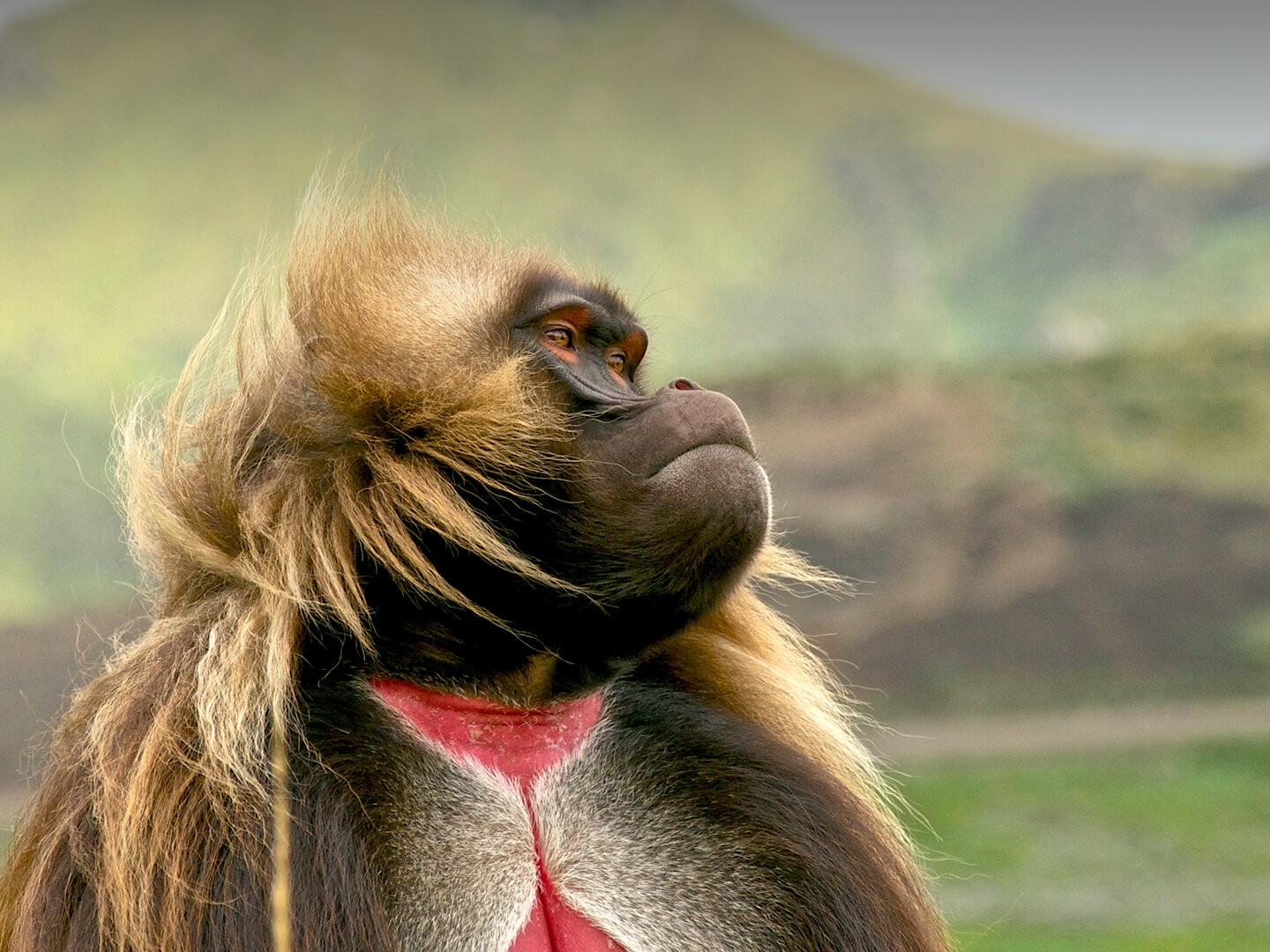
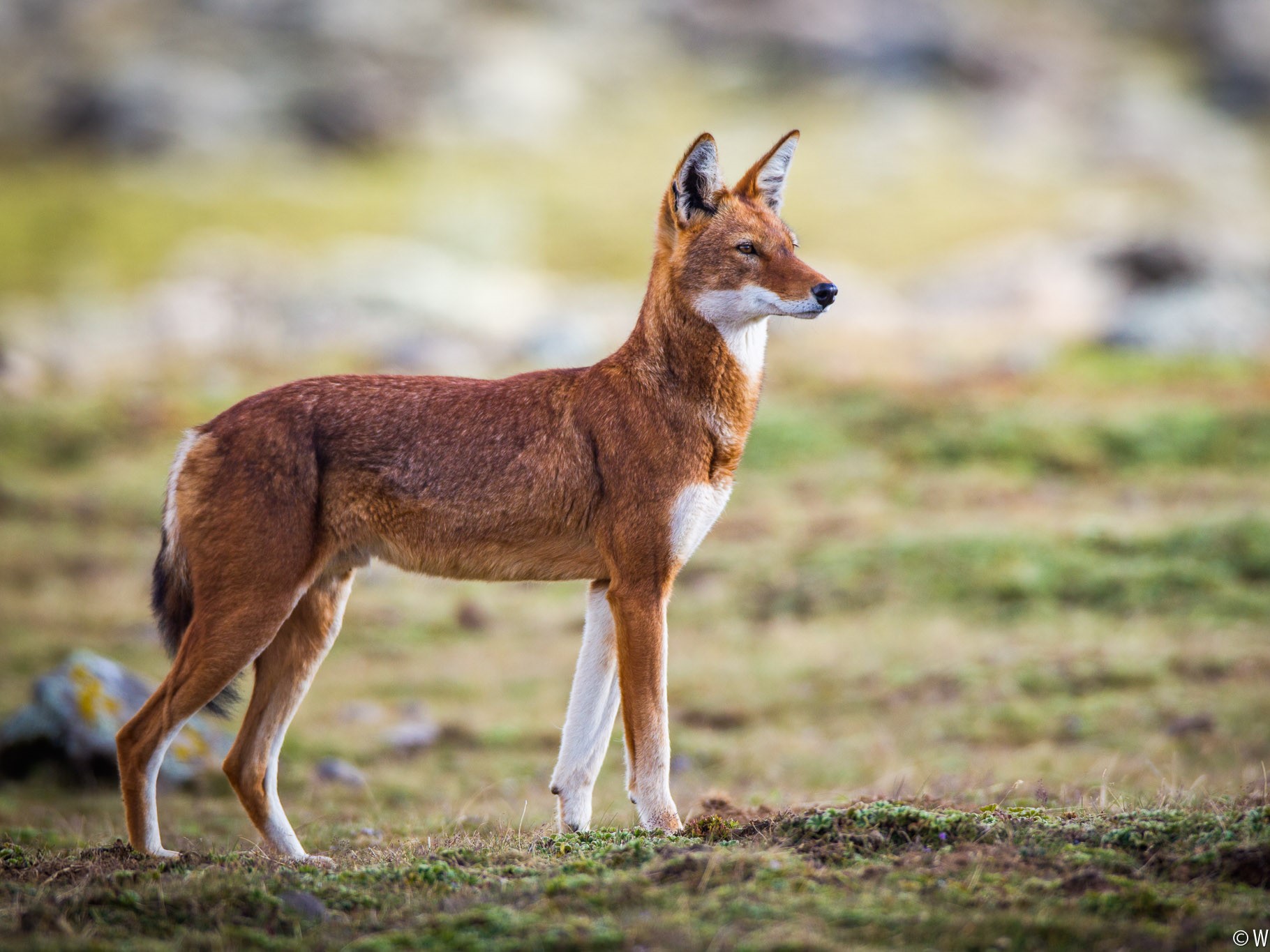
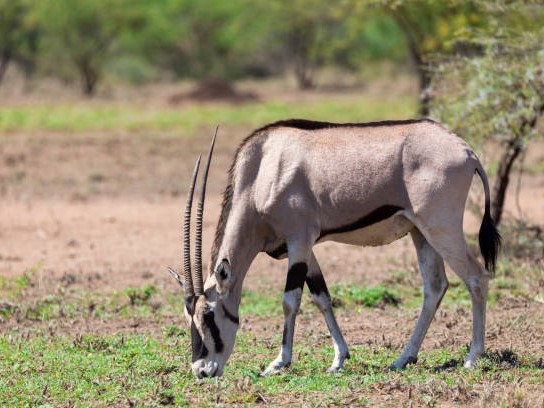
As the origin of several important rivers, the ecosystems and habitats within BMNP and its surroundings regulate the supply of water for millions of people in and beyond Ethiopia. The park and its surroundings are home to an extraordinary fauna and flora with an exceptional degree of endemism and in several cases the only remaining populations of globally threatened species across numerous taxonomic groups. For example, Mountain Nyala and Bale Monkey are both endemic to this area, along with numerous endemic rodents and amphibians, as well as the most important remaining population of Ethiopia maintained a favourable conservation status and outlook by the standards of the afro-alpine and East Africa’s moist tropical forests.
This highland national park of Ethiopia protects a landscape mosaic of extraordinary beauty that is shaped by the combined forces of ancient lava outpourings, glaciation and the dissection by the Great Rift Valley. It features volcanic peaks and ridges, dramatic escarpments, sweeping valleys, glacial lakes, lush forests, deep gorges and numerous waterfalls, creating dramatic escarpments, sweeping valleys, glacial lakes, lush forests, deep gorges and numerous waterfalls, creating an exceptional natural beauty. The altitudinal gradient of the park spans almost 2,900 metres from the highest peak standing at 4,377 m a.s.l. (Tullu Dimtu) down to approximately 1,500 m a.s.l. in the Harenna Forest. The altitudinal gradient not only creates vibrant changes in topography, soil, vegetation and species assemblages but constantly changing, breath-taking vistas. Amongst scattered wetlands and rocky outcrops, the iconic Giant Lobelias break the skyline above the otherwise stunted afro-alpine vegetation of the Sanetti Plateau, a harsh and aesthetically stunning high altitude environment. Unusual striations, or boulder grooves, mark the shallow hillsides, a natural phenomenon, which remains an enigma to geologists and glaciologists. Dropping from the plateau, the Harenna and the adjacent Mena Angetu form the second largest moist tropical forest in Ethiopia,
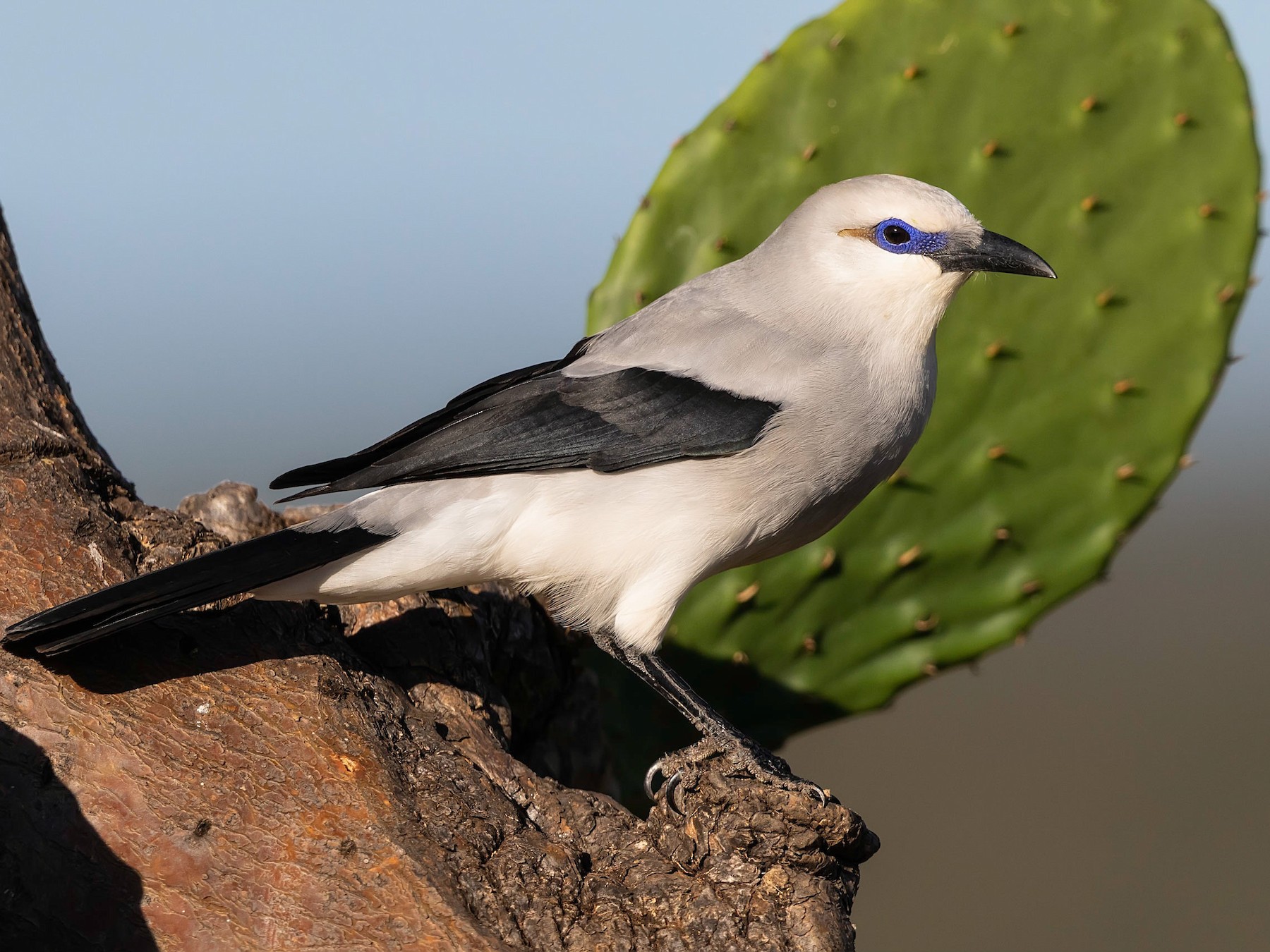
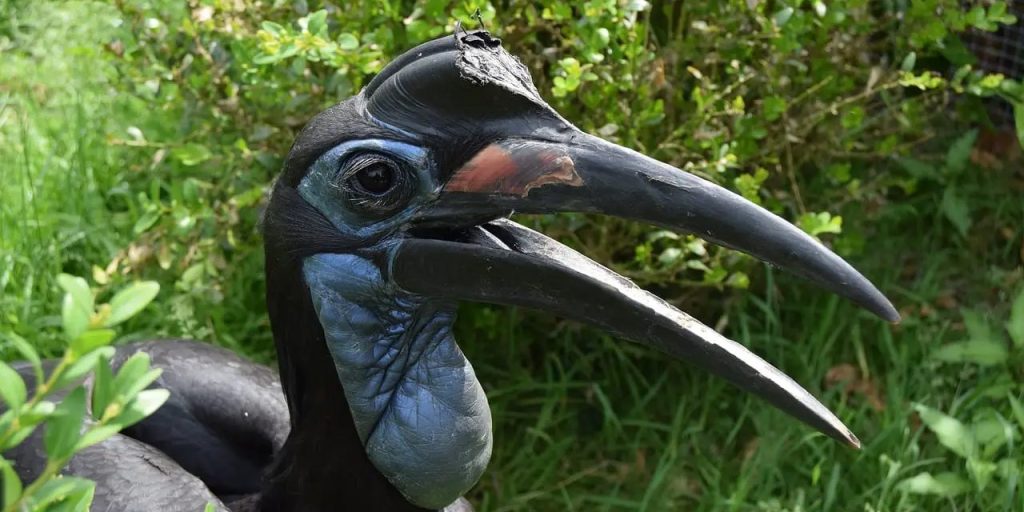
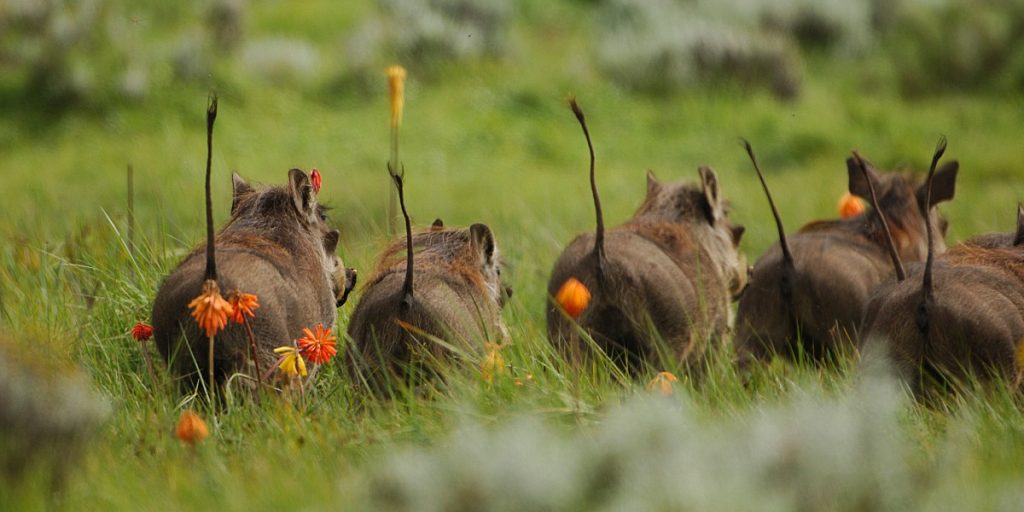
The BMNP harbours diverse and unique biodiversity at ecosystem, species and genetic levels. The Sanetti Plateau and the slopes of the Bale Mountains National Park above 3,500 m a.s.l. encompass the largest intact and contiguous expanse of afro-alpine habitat in the world further adding to the importance of the property as a rare large-scale remnant of this habitat. Uniquely, the afro-alpine of the Bale Mountains continues to be intricately linked to intact and large-scale expanses of forest, wetland and grassland ecosystems and habitats. Bale Mountains National Park is home to 1,660 documented species of flowering plants, 177 of which are endemic to Ethiopia and 31 exclusively to the Bale Mountains. The forests of the Bale Mountains serve as a genetic reservoir for Wild Forest Coffee and countless medicinal plant species. 79 mammal species have been recorded in the park; 23 of these are endemic, including eight rodent species. There are 363 documented bird species, including over 170 recorded migratory bird species, such as wintering and passing raptors, including the Greater Spotted Eagle. While the afro-alpine habitats are not conspicuously rich in terms of plant species, more than 80 % of all species found in this type of habitat are endemic, an extreme degree of endemism by any standard. The afro-alpine has been recognized as a globally significant place in literally all major global conservation priority-setting exercises.